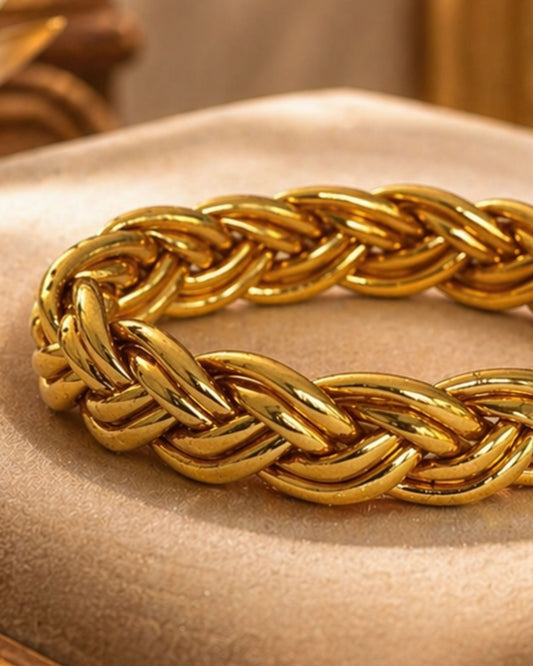
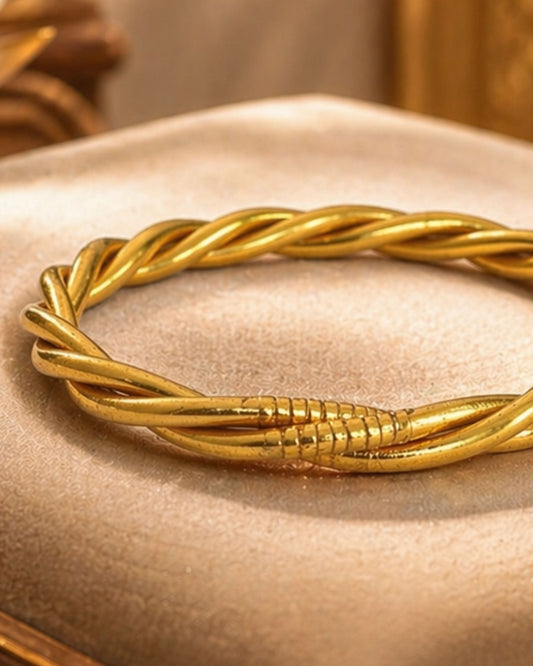
Silver Color and Kumlai: Meaning, Clarity and Balance

The silver color holds a special place in the Kumlai universe. Clear, soft, and luminous, it often evokes balance, serenity, sobriety, and a form of discreet elegance.
In a Buddhist bracelet, this hue is not limited to a simple silver finish. It brings a more symbolic interpretation to the bracelet: that of a calm light, a refined presence, and a more composed energy than golden or copper shades.
More subdued than gold, cooler than copper, and more luminous than powdery hues, silver seduces with its simplicity. It delicately catches the eye, without excess, and easily accompanies a personal intention in daily life.
In this article, we will explore the meaning of the silver color in the Kumlai universe: what it evokes, why it is often associated with clarity, and how it can be worn as a symbol of balance, serenity, and inner elegance.
If you are still new to this world, you can also read our guide What is a Buddhist bracelet?.
What does the color silver symbolize in the Buddhist bracelet universe?
The silver color is often associated with clarity, visual purity, balance, and serenity. It possesses a soft light, less solar than gold, but very elegant in its sobriety.
In the Kumlai universe, this shade can symbolize a search for calm, fairness, and harmony. It appeals to people who like luminous jewelry but wish to avoid a look that is too warm, too flashy, or too demonstrative.
A color linked to clarity and sobriety
Silver possesses a clean and discreet light. Its hue evokes freshness, transparency, soft reflections, and jewelry chosen for its timeless elegance.
It is this sobriety that makes the silver color so easy to wear. It adorns the wrist with finesse, while giving the bracelet a clear, clean, and harmonious presence.
A shade often associated with balance
In a symbolic interpretation, silver often evokes balance. Wearing this color can recall the desire to find calm, simplify one's daily life, or keep a soft and stable presence nearby.
A silver-colored Kumlai can thus become a bracelet worn as much for its aesthetics as for what it represents internally: more clarity, more serenity, more simplicity.

Why does silver evoke serenity and visual purity?
The color silver possesses a very different visual energy from warmer tones. It is luminous, but without excess. Present, but never heavy. It gives an impression of freshness, calm, and elegant restraint.
In a Kumlai bracelet, this shade can take on a more personal dimension. It doesn't just speak of elegance or style: it can also symbolize a desire for recentering, simplicity, and serenity.
A luminous but discreet presence
Silver brings light without seeking to dominate. Worn alone, it remains sober and refined. When stacked, it creates a clear, elegant, and easy-to-combine composition.
It is this contrast that makes this color so appreciated: it has radiance, but retains a great visual softness.
A symbolism of calm and harmony
In a more intimate interpretation, silver can be associated with inner calm, harmony, and the search for a softer energy.
Wearing a Kumlai in this shade can become a simple way to keep an intention close: to lighten one's mind, regain clarity, or move forward with more serenity.
What the color silver brings to a Buddhist bracelet
The symbolism of a Kumlai does not come solely from its color. It is also part of a larger whole: its artisanal manufacturing, its flexible structure, the visible elements inside, the brass clasp, the mantra depending on the models, and the blessing in a Buddhist temple.
It is this coherence that distinguishes the Kumlai from a simple silver-colored bracelet. The meaning comes from the hue, the object, its origin, and the intention that each person chooses to associate with it.
Artisanal manufacturing in Thailand
At Bâan Kumlaï, bracelets are handcrafted in Thailand according to the traditional method. This manufacturing gives the Kumlai its flexible, light, and luminous appearance.
The silver color thus becomes part of an object that already has a strong identity: a closed bracelet, comfortable to wear, designed to accompany daily life.
Silver leaves visible inside the bracelet
In the Bâan Kumlaï silver model, the silver leaves contribute to the inner sparkle of the bracelet. They create soft reflections and give the Kumlai a different light than a jewel simply colored on the surface.
This detail gives the silver color all its richness: a clear light, subtly visible through the structure of the bangle, with a result that is both lively and refined.

A brass clasp and a mantra depending on the models
The Kumlai is closed by a brass piece that seals the bracelet. Depending on the models, this piece can be engraved with a mantra in Thai.
The mantra contributes to the symbolic universe of the bracelet. It reinforces the impression of an object imbued with meaning, chosen as much for its appearance as for the intention it accompanies.
A blessing in a Buddhist temple
Bâan Kumlaï bangles are blessed in a Buddhist temple in Thailand. This blessing gives the bracelet a different dimension from a simple fashion accessory.
To delve deeper into this topic, you can read our article dedicated to the blessing ritual of Buddhist bangles in Thailand.
Can the color silver be worn as a symbol of appeasement?
Yes, this color can be worn with this intention. Its soft light, sobriety, and visual balance naturally evoke a form of appeasement, more discreet than demonstrative.
It is not a promise, but a symbolic interpretation. Some people wear their Kumlai as a calm reference point, a reminder of simplicity, or a bracelet that accompanies a personal intention.
In this approach, the color silver can recall a simple idea: regaining clarity, preserving one's balance, and moving forward with more serenity.

What intention to associate with a silver-colored Kumlai?
Each person can associate their own intention with a symbolic bracelet. The silver color lends itself particularly well to intentions related to clarity, sobriety, balance, and inner calm.
For example, you can wear this shade as a reminder to:
- regain clarity, in times of confusion;
- preserve a sense of balance, daily;
- wear a bright and discreet color, easy to combine;
- keep a personal symbol close, sober and reassuring;
- move forward with more calm, without seeking excessive brilliance.
This intention remains personal. This is also what gives the Kumlai a particular dimension: it can be worn as a piece of jewelry, but also as an intimate symbol.
With what colors to associate the symbolism of silver?
The color silver pairs very well with clear, luminous, and contrasting shades. It can be worn alone to maintain its sobriety, or combined with other colors to create a more personal stack.
With gold, it creates a luminous contrast. With rose gold, it becomes softer and more delicate. With copper, it brings a fresher touch and balances the warmth of the bracelet. With champagne, it maintains a very soft and elegant look.
For a harmonious stack, you can combine it with a gold shade, a rose gold shade, or a champagne shade.
In a stack, silver often acts as a balancing color. It brightens warmer tones, adds a touch of freshness, and gives an elegant coherence to the wrist.

Why are Buddhist bangles often worn in odd numbers?
In the world of Buddhist bangles, bracelets are often worn in odd numbers: 1, 3, 5, 7, or 9. This tradition gives the stack a more personal and symbolic dimension.
Wearing a single bracelet can evoke a simple and intimate intention. Three bangles can represent balance. Five, seven, or nine can reinforce the idea of a protective or good luck stack.
If this topic interests you, you can read our dedicated guide: Why wear Buddhist bangles in odd numbers?.
In summary: what does the silver color mean in the Buddhist bangle universe?
The silver color primarily evokes clarity, balance, serenity, sobriety, and luminous elegance. In the Kumlai universe, it can symbolize a calm presence, an intention of simplicity, or a desire to carry a softer energy close to oneself.
Worn on the wrist, this shade can accompany a personal intention: to regain clarity, preserve one's balance, move forward with calm, or choose a luminous and discreet color.
If this symbolism speaks to you, you can discover the Bâan Kumlaï silver model, handcrafted in Thailand, blessed at the temple, and shipped quickly from France.

FAQ: meaning of silver color and Buddhist bangle
What does the silver color mean in a Buddhist bangle?
It evokes clear, luminous, and soothing symbolism. In the Kumlai universe, this shade is often linked to balance, sobriety, softness, and harmony.
Is the color silver associated with appeasement?
Yes, it can be worn with this intention. Its soft and discreet light often evokes calm, clarity, and a form of inner balance, but this meaning remains personal and symbolic.
What do the silver leaves represent in the silver model?
The silver leaves visible inside contribute to the bracelet's sparkle. They create luminous reflections and enhance the visual depth of the silver-colored Kumlai.
What is the difference between silver and silver-plated?
In common usage, the two expressions are similar. Here, the color silver refers to the clear shade of the bracelet, while the silver leaves visible inside contribute to its identity and luminous appearance.
With what colors to associate silver?
Silver pairs very well with gold, rose gold, champagne, copper, thin models, and twisted models. These associations allow for the creation of a clear, luminous, and balanced stack.
Why wear several Buddhist bangles in odd numbers?
Buddhist bangles are often worn in odd numbers, such as 1, 3, 5, 7, or 9. This tradition gives the stack a more symbolic and personal dimension.